
Inefficient breathing
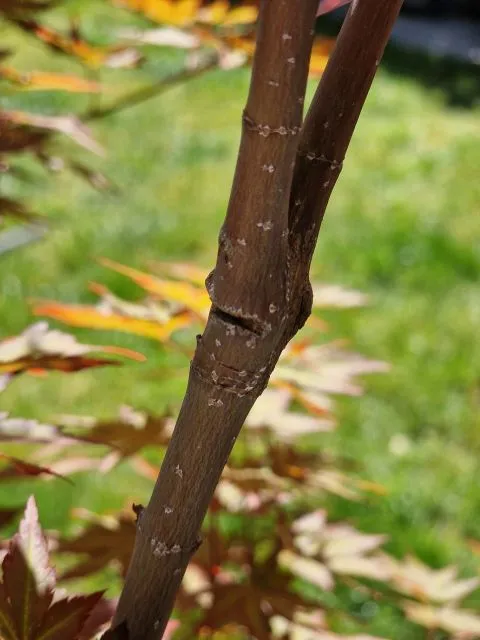
The scar you see on this branch wasn’t made in a day.
It’s the result of years of constriction.
In our bodies, we often face a similar, invisible constriction: inefficient breathing. When we stop using our diaphragm correctly, we aren’t just “breathing shallowly”. We are physically altering our internal architecture.
Over time, a dormant diaphragm leads to:
- Reduced lung expansion (functional shrinkage).
- Rigidity in the rib cage.
- A chronic “fight or flight” state of the nervous system.
Just like this tree, our bodies adapt to the constraints we place on them, as well as to the solutions we apply to reverse the damage, slowly reclaiming the space and vitality we thought were lost.
But here is the vital truth: the reversal is not an overnight fix.
Removing the “tie” (the bad habit) is only step one. To widen the channel again, we need guided breathing patterns: consistent, intentional expansion that signals to the body it is safe to grow back into its full capacity.
Patience is a prerequisite for transformation.
You can’t rush the growth of a tree. Nature doesn’t take shortcuts, and neither does biology.